
Tooth Sensitivity: Causes, Symptoms, Treatment & Prevention
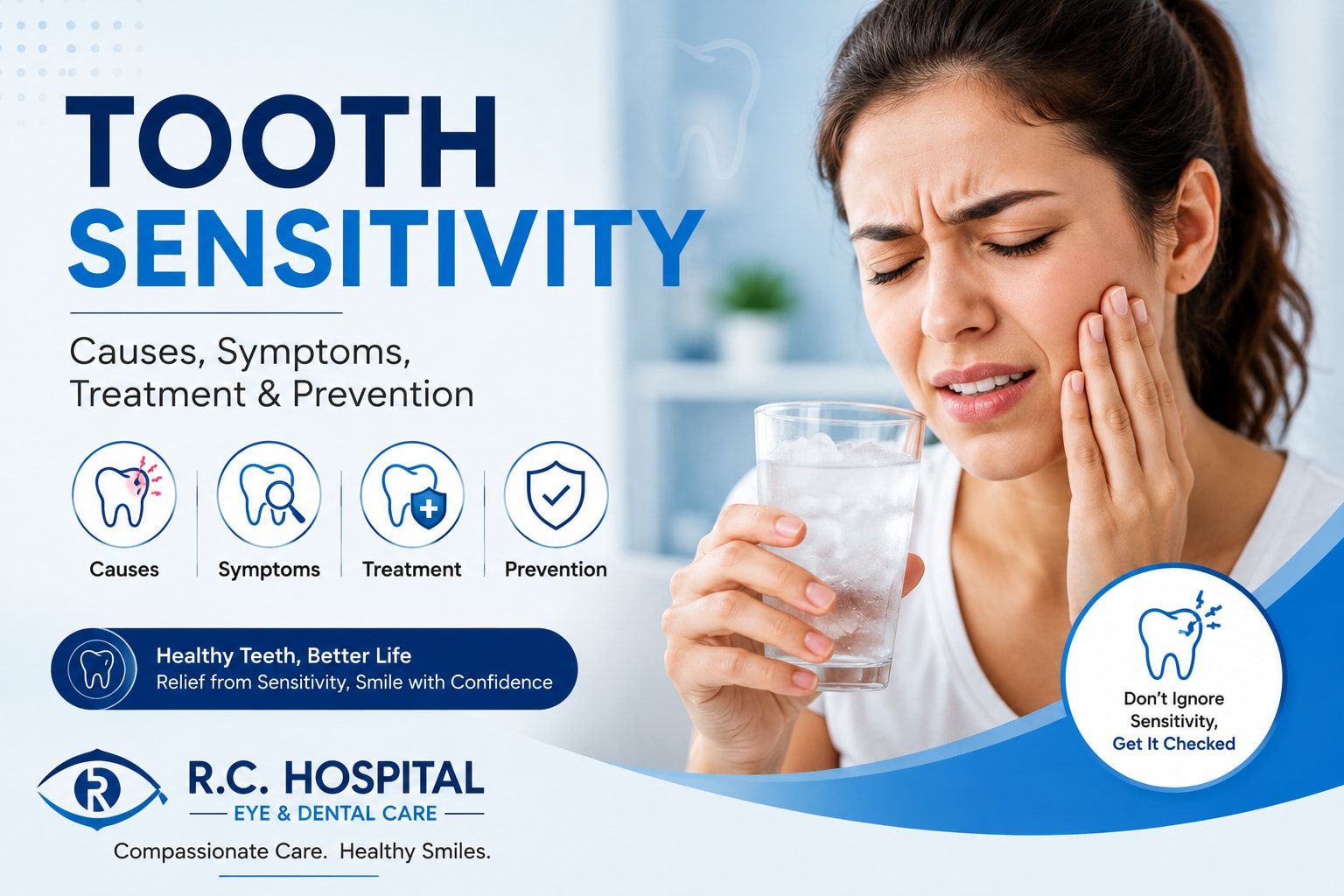
Tooth Sensitivity: Causes, Symptoms, Treatment & Prevention
Tooth sensitivity is a common dental problem that can make everyday activities like drinking a cold beverage, eating ice cream, or enjoying hot food uncomfortable. It may cause a sudden, sharp sensation in one or more teeth.
While occasional sensitivity may seem minor, frequent or worsening sensitivity can sometimes indicate an underlying dental problem. Understanding the causes, symptoms, treatment, and prevention of tooth sensitivity can help you protect your teeth and maintain better oral health.
What Is Tooth Sensitivity?
Tooth sensitivity, medically known as dentin hypersensitivity, occurs when the inner layer of the tooth becomes exposed or more vulnerable to external stimuli.
Normally, the outer enamel protects the sensitive inner layers of your teeth. When enamel wears down or the gums recede, the underlying dentin can become exposed. This allows hot, cold, sweet, or acidic foods and drinks to trigger discomfort.
Sensitivity can be temporary or persistent, depending on its underlying cause.
Common Causes of Tooth Sensitivity
Several factors can contribute to sensitive teeth, including:
1. Enamel Wear
Aggressive brushing, acidic foods and drinks, or excessive teeth grinding can gradually wear away tooth enamel. Onc
e enamel becomes thinner, sensitivity may increase.
2. Tooth Decay and Cavities
Cavities can damage the protective structure of a tooth and expose deeper layers. If you notice sensitivity along with a toothache or a visible cavity, it is important to consult a dentist.
3. Gum Recession
When gums pull away from the teeth, the tooth roots may become exposed. Since roots do not have the same enamel protection as the crown of the tooth, they can be particularly sensitive.
4. Cracked or Damaged Teeth
A cracked tooth can allow external stimuli to reach sensitive areas inside the tooth, resulting in sharp or intermittent pain.
5. Teeth Whitening
Some people experience temporary sensitivity after professional or at-home teeth whitening treatments. This usually improves after the treatment is completed, but persistent symptoms should be evaluated by a dentist.
6. Teeth Grinding
Regularly clenching or grinding your teeth can put excessive pressure on the enamel and may contribute to sensitivity over time.
Symptoms of Sensitive Teeth
The most common symptom is a sudden, sharp sensation when your teeth come into contact with:
- Cold water or beverages
- Hot food or drinks
- Ice cream
- Sweet foods
- Acidic foods and drinks
- Cold air
Some people may also experience discomfort while brushing or flossing.
If sensitivity becomes frequent, severe, or occurs without an obvious trigger, professional dental evaluation is recommended.
How Is Tooth Sensitivity Treated?
Treatment depends on what is causing the sensitivity. A dentist may recommend one or more of the following:
Desensitizing Toothpaste
Specially formulated toothpaste can help reduce sensitivity by blocking pathways that transmit sensations from the tooth surface to the nerve.
Fluoride Treatment
Professional fluoride applications can help strengthen enamel and provide additional protection against sensitivity.
Treatment for Cavities or Damaged Teeth
If sensitivity is caused by tooth decay, a filling or other appropriate dental treatment may be required. A damaged or cracked tooth may also need specific restorative treatment.
Treatment for Gum Problems
If gum recession or gum disease is contributing to sensitivity, treating the underlying gum condition can help protect exposed tooth surfaces.
Root Canal Treatment
In cases where the nerve inside a tooth has become severely inflamed or infected, a dentist may recommend root canal treatment to eliminate the source of persistent pain.
How Can You Prevent Tooth Sensitivity?
Good oral hygiene can help reduce the risk of sensitivity and other dental problems.
Use a Soft-Bristled Toothbrush
Brush twice a day gently using a soft-bristled toothbrush. Avoid applying excessive pressure while brushing.
Limit Acidic Foods and Drinks
Frequent consumption of soft drinks, citrus-based beverages, and other acidic foods can contribute to enamel erosion. Try to limit their frequency and rinse your mouth with water afterward.
Maintain Regular Dental Check-ups
Regular dental examinations can help identify cavities, gum problems, enamel wear, and other conditions before they become more serious.
Avoid Teeth Grinding
If you frequently grind or clench your teeth, discuss it with your dentist. A suitable night guard may be recommended when appropriate.
Don't Ignore Persistent Sensitivity
If tooth sensitivity continues for several weeks or becomes progressively worse, don't simply rely on home remedies. The underlying cause should be identified and treated.
When Should You Visit a Dentist?
Occasional mild sensitivity may not always indicate a serious problem. However, you should consider visiting a dentist if:
- Sensitivity is persistent or getting worse
- You experience severe tooth pain
- Your tooth is sensitive without an obvious trigger
- You notice swelling around the tooth or gums
- You have a broken or cracked tooth
- You have visible cavities
- Sensitivity interferes with eating or drinking
Early dental care can help prevent a minor problem from developing into a more complicated condition.
Patient-Centered Dental Care at RC Hospital
At RC Hospital, dental care focuses on accurate diagnosis, personalized treatment, patient comfort, and preventive oral healthcare. The dental team evaluates the underlying cause of symptoms before recommending an appropriate treatment plan.
Whether sensitivity is related to enamel wear, cavities, gum problems, or another dental condition, timely professional evaluation can help protect your teeth and prevent further complications.
If you are experiencing persistent tooth sensitivity, consult a qualified dental professional rather than ignoring the symptoms.
Conclusion
Tooth sensitivity can be caused by several factors, including enamel erosion, cavities, gum recession, cracked teeth, teeth grinding, and certain dental treatments. Although mild sensitivity can sometimes be managed with proper oral care, persistent or severe symptoms should not be ignored.
Maintaining good brushing habits, limiting acidic foods, using appropriate dental products, and scheduling regular dental check-ups can help maintain healthy and comfortable teeth.
If you are looking for a Dental Hospital in Bijnor for persistent tooth sensitivity or other dental concerns, professional evaluation can help identify the cause and determine the right treatment.
Frequently Asked Questions
Is tooth sensitivity a serious problem?
Mild sensitivity may have a simple cause, but persistent or severe sensitivity can sometimes indicate cavities, gum recession, enamel damage, or another dental problem. A dental examination can determine the exact cause.
Can sensitive teeth be treated?
Yes. Treatment depends on the cause and may include desensitizing toothpaste, fluoride treatment, fillings, gum treatment, or other dental procedures.
Why do my teeth hurt when I drink something cold?
Cold foods and drinks can trigger pain when the protective enamel is worn down or the tooth roots are exposed. Cavities and other dental problems can also cause sensitivity to cold.
How can I reduce tooth sensitivity at home?
Use a soft-bristled toothbrush, brush gently, consider toothpaste designed for sensitive teeth, and limit frequent consumption of acidic foods and drinks. If sensitivity persists, consult a dentist.
Need Expert Consultation?
Our specialists are here to help you with any eye or dental concern.